KidLit Craft Podcast
We can't wait to nerd out with you!
Co-hosts Anne-Marie Strohman and Erin Nuttall
At KidLit Craft, we look at mentor texts to figure out the mechanics of how writers do what they do, so we can improve our writing.
In each season of the KidLit Craft Podcast, co-hosts Anne-Marie Strohman and Erin Nuttall do a deep dive into one novel.
Join us!
Most Recent Episode:
Listen On:
-
Excellent podcast on the craft of writing!
"Anne-Marie and Erin do an excellent job of breaking down craft concepts into small digestible chunks. Highly recommend!"
– KidLit Writer on Apple Podcasts
We have transcripts!
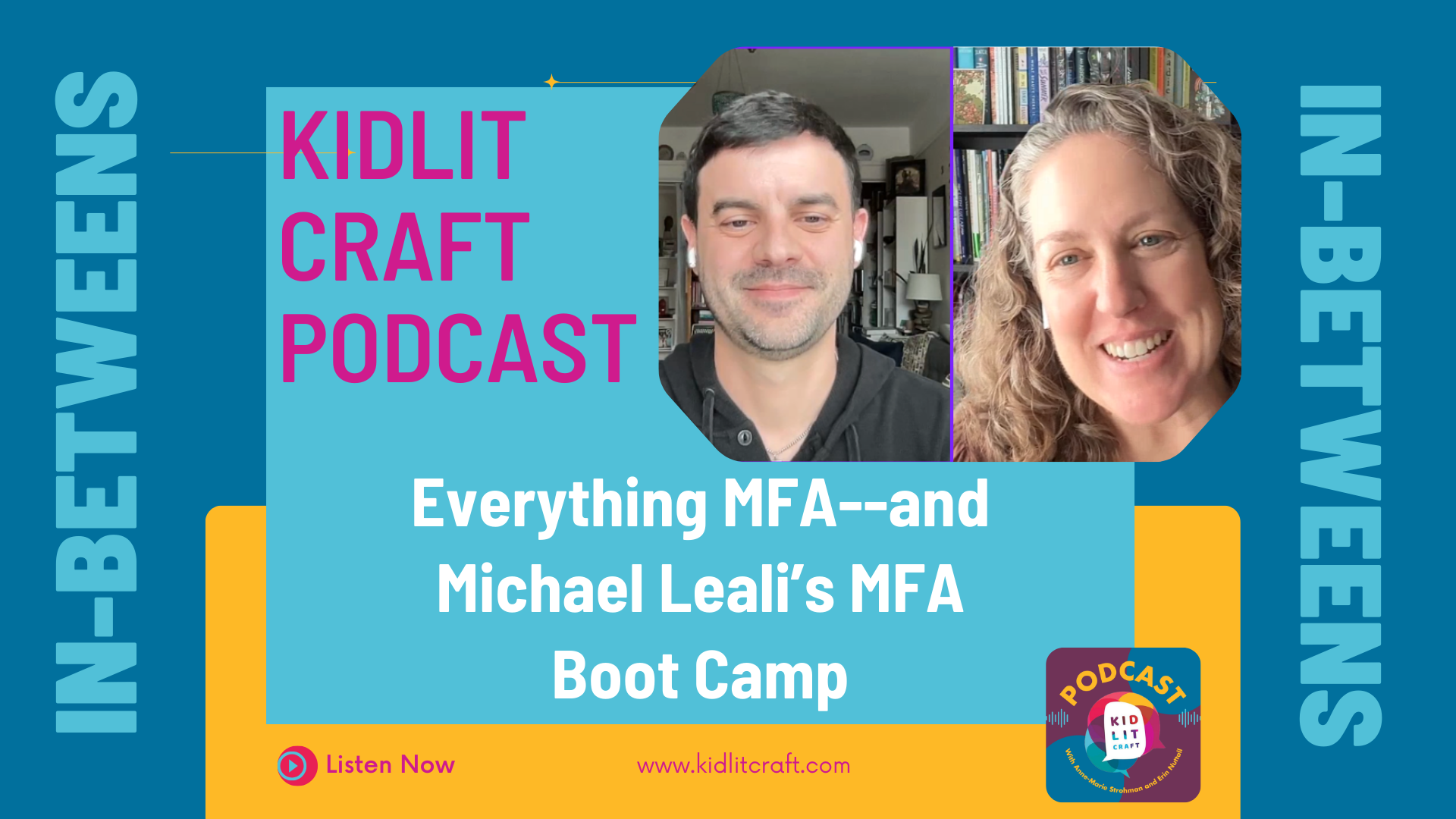
Anne-Marie sits down with middle grade author Michael Leali to talk everything MFA: what programs are out there, why you might want one, our MFA stories, how to apply, and Michael's new MFA in Writing for Young Readers Bootcamp, offered through University of San Francisco.
In our final episode of season 2, Erin and Anne-Marie take a closer look at THE END of Thieves’ Gambit, specifically, how Kayvion Lewis creates a satisfying ending for this novel and at the same time sets up the sequel.
We’re gathering the people with essential skills, making a plan, anticipating obstacles, doing reconnaissance, and pulling off a heist. Erin and Anne-Marie break down the elements needed for a heist and analyze how Kayvion Lewis designed and executed the (writing of the) sarcophagus heist in Thieves’ Gambit.
Pacing scenes and chapters in an action/thriller might seem to be all about how to move through the story as fast as possible, but in this episode Anne-Marie and Erin focus on controlling the pace, why you want slower moments, and how to move fast without sacrificing clarity or emotional resonance.
The pacing of a story determines how a story feels to read, and writers get to control that pacing by placing story elements at certain moments in the book and by how they move from chapter to chapter or scene to scene. In this episode, Anne-Marie and Erin explore how Kayvion Lewis keeps the pace fast and the tension high.
Action scenes in a thriller novel need to be fast-paced, but fast-paced means more than lots of really quick actions in a row. Erin and Anne-Marie break down three different kinds of action scenes in Thieves’ Gambit to find tips and tricks for hitting the perfect sweet spot of pacing.
Like character arcs and story arcs, relationship arcs can span the course of the novel, explore themes, reveal and challenge the main character, and complicate plot lines. In Episode 7, Erin and Anne-Marie examine Ross’s friendship arc with Noelia and her romance arc with Devroe.
Introducing a lot of characters can lead to a muddle in readers’ minds. Erin and Anne-Marie explore why you may want to use a big cast, identify pitfalls to avoid, and break down how Kayvion Lewis introduces the nine teen thieves in Thieves’ Gambit in a way that draws readers in rather than confuses them.
In Episode 5, Erin and Anne-Marie examine the complicated family relationships in Thieves’ Gambit and explore why to use them, how to introduce them for maximum effect, and how to leverage those relationships to create more tension without taking away the main character’s agency.
Season One:
All Episodes Out Now
In season one, we do a deep dive into Martine Leavitt’s YA novel Buffalo Flats. All episodes are available now wherever you listen to podcasts.
Season Two:
New Episodes Out Now!
Season two will focus on YA novel Thieves' Gambit by Kayvion Lewis. New episodes coming October 2024.
Recommended Listening Experience
The season is intended to be listened to start to finish, though you can pop in for whatever topics spark your interest. We encourage you to listen in order, and read along as you can.
For Season One, the first three episodes make the most sense in order and focus on the first chapter. After that we talk about the book as a whole by topic. Season 2 has spoilers from the start.
We encourage you to read along with us! See below to purchase books.
This section features bookshop.org affiliate links. Use the links to support KidLit Craft and local bookstores, at no additional cost to you.
Season One
Buffalo Flats by Martine Leavitt
Season Two
Thieves' Gambit by Kayvion Lewis
Related Craft Articles:
“I’m driven to write by the child I used to be, the children I raised, and other curious or angsty young readers who turn to books for answers, adventure, or hope.”
A great picture book has multiple layers that add depth to the story and make it a re-readable experience for children and caregivers alike.
The picture book biography Freddie The Flyer, by Fred Carmichael and Danielle Metcalfe-Chenail, illustrated by Audrea Lorren-Wulf, is a perfect example of how layers can work together to tell a compelling story.
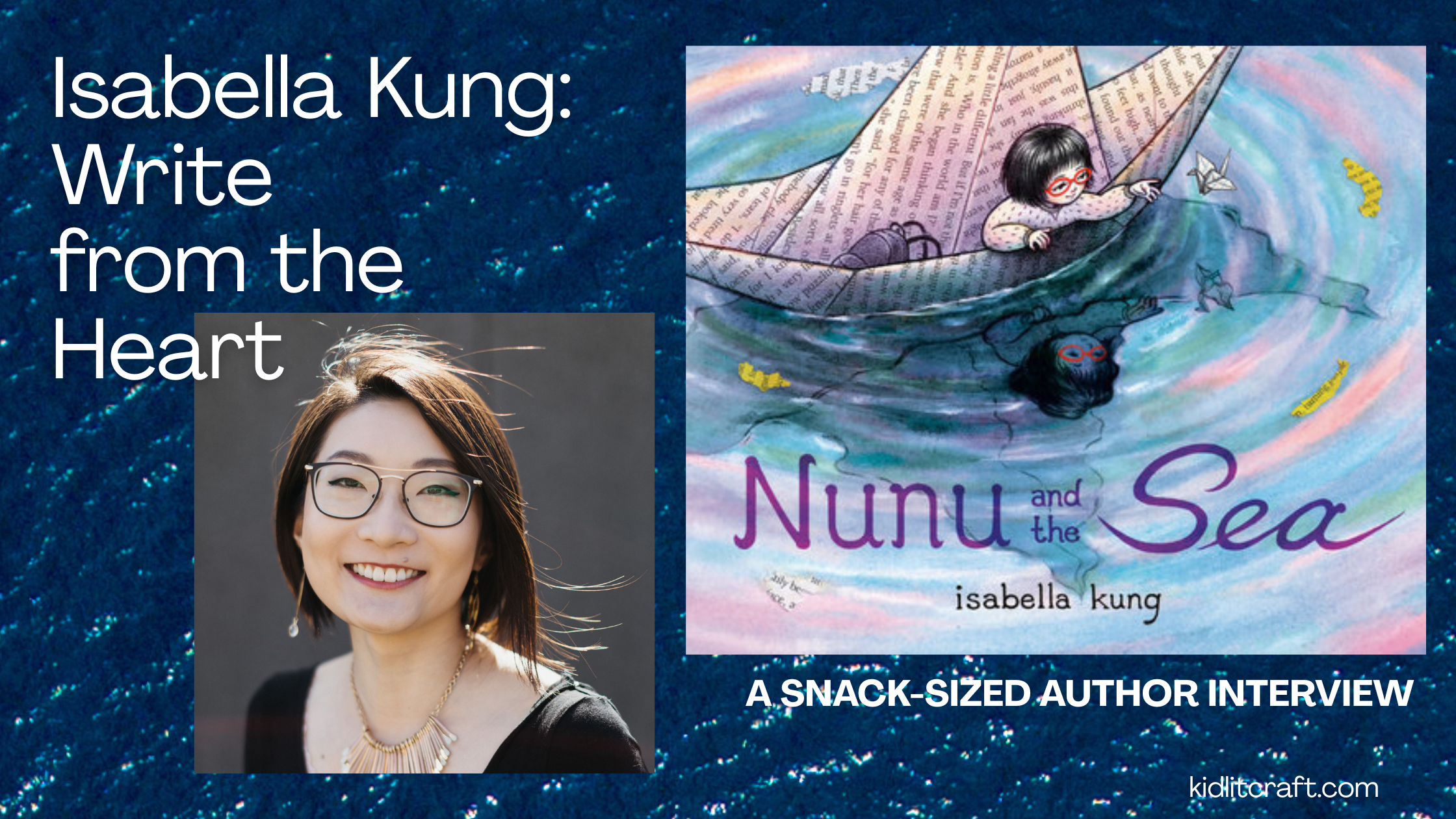
“Don’t be swayed or crippled by all the doubts and fears, trust in your instincts, and write from the heart. During the lowest of my lows, I felt so lost and started to doubt this dream of creating my own picture books. I'm so glad I was able to ride that storm out and persist! Dreams do come true.”
“At one point, I saw writing as a competitive enterprise. But what I've discovered is that authors and writers have a strong sense of community. Many of us find great joy in helping others. Being able to mentor and encourage the next generation of authors is wonderfully inspiring.”
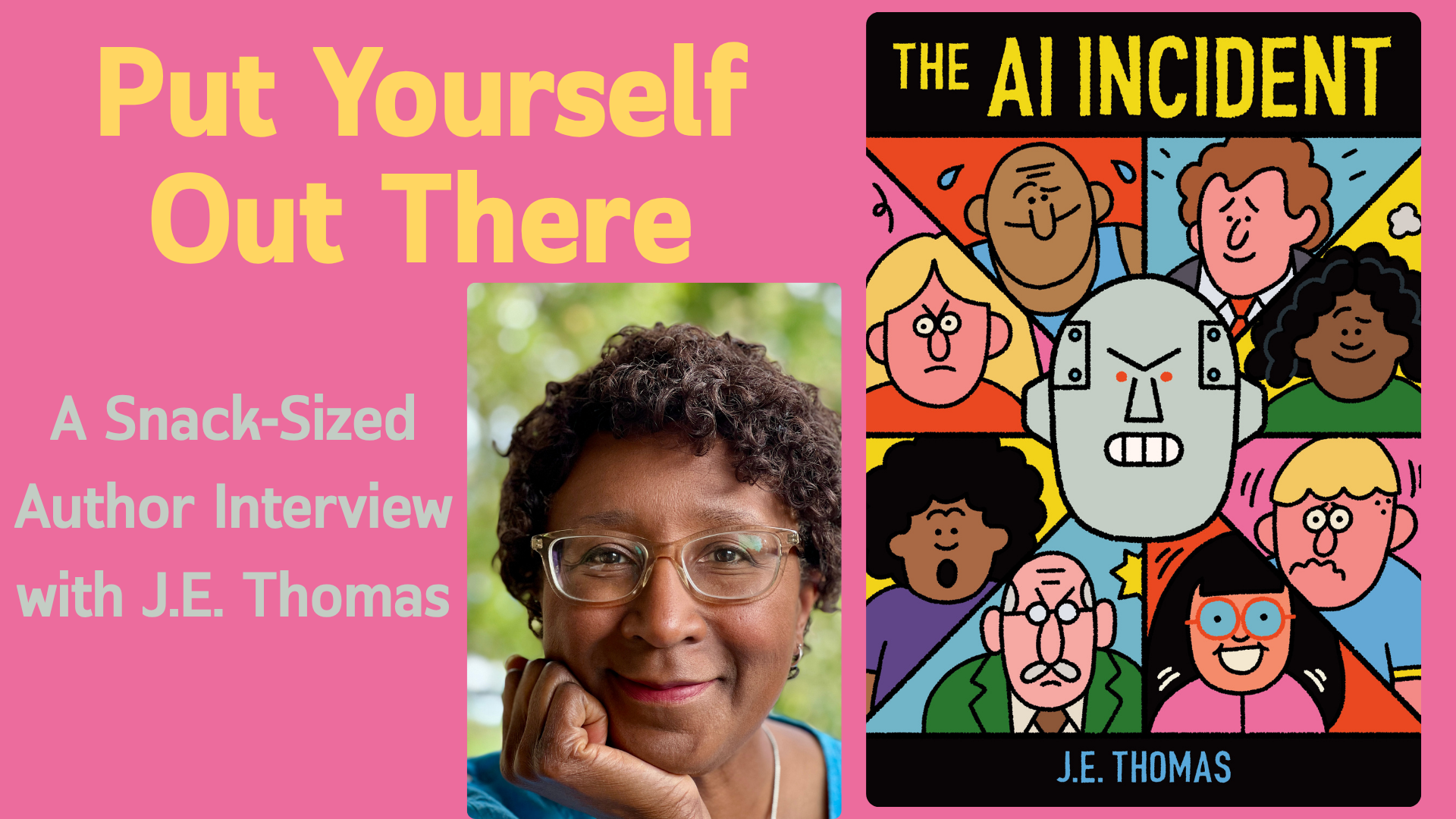
“Put yourself out there, because you never know when the timing and preparation will finally coincide for your book. Sometimes, your story has been refined and is ready for publication, but the timing of the children’s book market isn’t quite right. You never know unless you keep revising and submitting.”
“Take as much time as you need to learn the craft of telling stories. Often, new authors are in a rush but great books take time to write and revise, especially when you’re starting out.”